
BLOGS
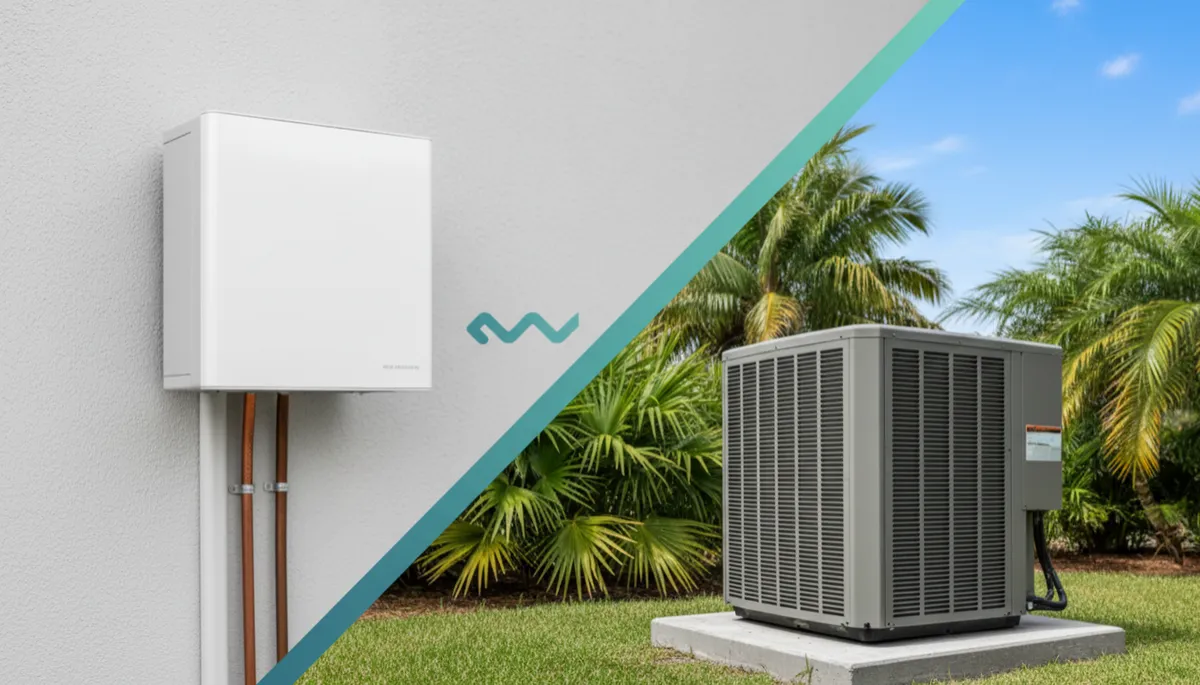
Ductless Mini-Split vs Central AC: Best for Port St. Lucie?
HVAC, Ductless Mini-Splits, Central Air Conditioning, Port St. Lucie FL
Ductless Mini-Split vs. Central AC: Which Is Best for Your Port St. Lucie Home?
Choosing between a ductless mini-split and a central air conditioner is one of the most important comfort decisions you will make as a Port St. Lucie homeowner. Both options can keep your home cool and dry in Florida’s heat, but they differ in how they work, what they cost, and which homes they fit best. This guide explains each system, compares costs and efficiency, and shares Reel Cool’s recommendations for real-world scenarios in our coastal climate.
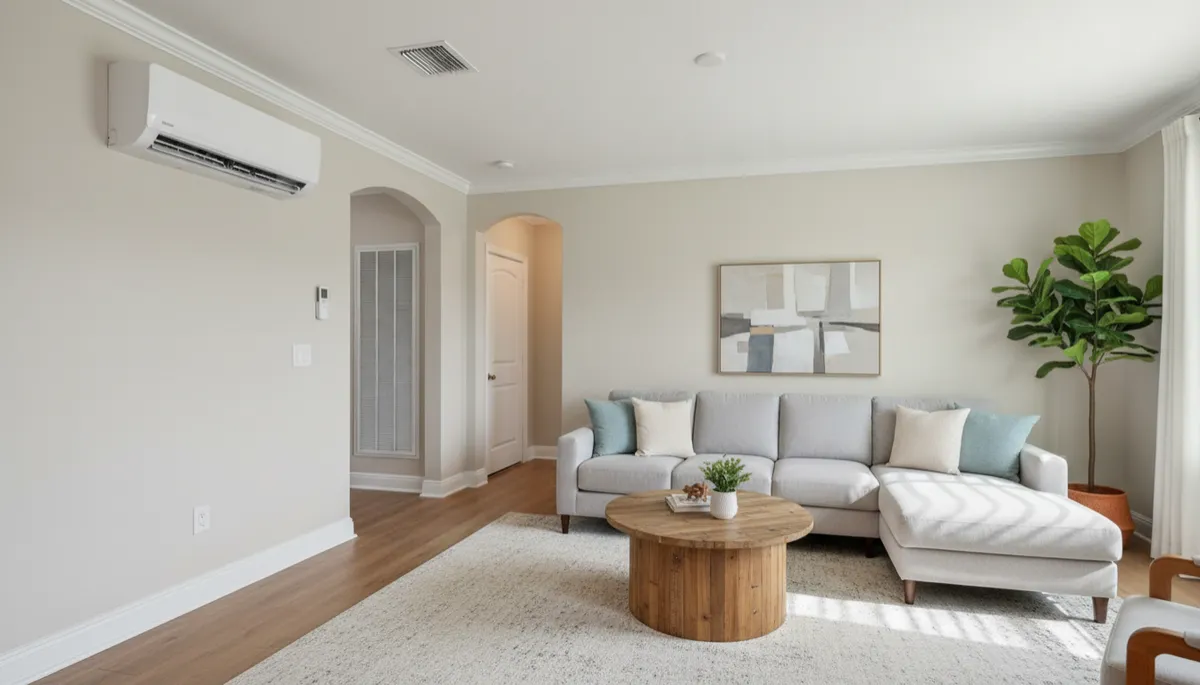
What Is a Ductless Mini-Split?
A ductless mini-split is a high-efficiency cooling (and often heating) system that does not rely on ductwork. It uses one outdoor condenser connected by small refrigerant lines to one or more indoor air handlers mounted on walls, ceilings, or recessed in soffits. Each indoor unit conditions a specific “zone,” such as a bedroom, bonus room, or home office.
What Is a Central AC System?
A central air conditioning system uses an outdoor condensing unit and an indoor air handler or furnace with a coil. Cooled air is distributed through a network of ducts to supply registers throughout your home. The entire house is typically cooled to one temperature, controlled by a single thermostat. For Port St. Lucie homes with existing ductwork, this is the most common setup.
How Each System Works in Simple Terms
Both ductless mini-splits and central AC systems move heat from inside your home to the outside using refrigerant. The key difference is how they deliver cooled air indoors:
- Ductless mini-split: The outdoor unit sends refrigerant directly to each indoor unit. Each air handler cools and dehumidifies the room it serves, and you control each zone with its own remote or thermostat.
- Central AC: The indoor coil cools air that is pushed through ducts by a blower. That air travels to every room served by the duct system, returning back through grilles to be cooled again.
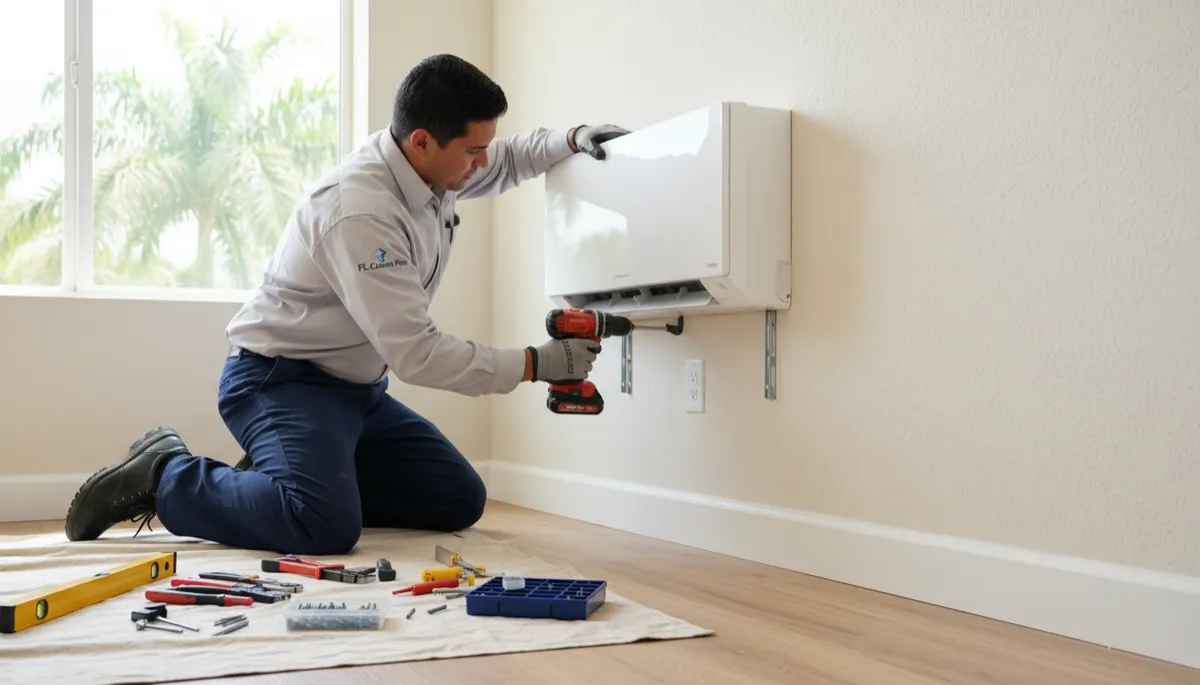
Professional mini-split installation in Florida ensures quiet operation and maximum efficiency.
Pros and Cons in Florida’s Hot, Humid Climate
Ductless Mini-Split: Advantages and Drawbacks
- Excellent efficiency: Many ductless systems reach SEER2 ratings in the 20+ range and can go into the 30s, significantly higher than typical central AC units. This is valuable in Port St. Lucie, where cooling is needed most of the year.
- Strong humidity control: Inverter-driven compressors run longer at lower speeds, which improves dehumidification—critical when outdoor humidity regularly exceeds 80 percent.
- No duct losses: Because there are no ducts in hot attics or garages, you avoid the 20–30 percent energy loss that poorly sealed ducts can create.
- Flexible installation: Ideal for rooms without ducts, older homes, or spaces where extending ductwork would be costly or disruptive.
Potential drawbacks include the visual presence of wall-mounted units, higher upfront cost for multi-zone systems, and the need for regular filter cleaning at each indoor head to keep performance high in Florida’s dusty, salty air.
Central AC: Advantages and Drawbacks
- Whole-home comfort: Central AC is designed to cool the entire home evenly through a properly designed duct system, which many Port St. Lucie homes already have.
- Clean look: Only grilles and registers are visible in living spaces, which some homeowners prefer over wall-mounted indoor units.
- Cost-effective for existing ducts: When ductwork is in good condition, replacing the central AC equipment is often less expensive than installing a multi-zone ductless system.
On the downside, central AC can struggle with humidity if the system is oversized or single-stage, and duct leaks in hot attics can waste energy. In coastal areas around Port St. Lucie, the outdoor unit also needs corrosion protection to withstand salty air.
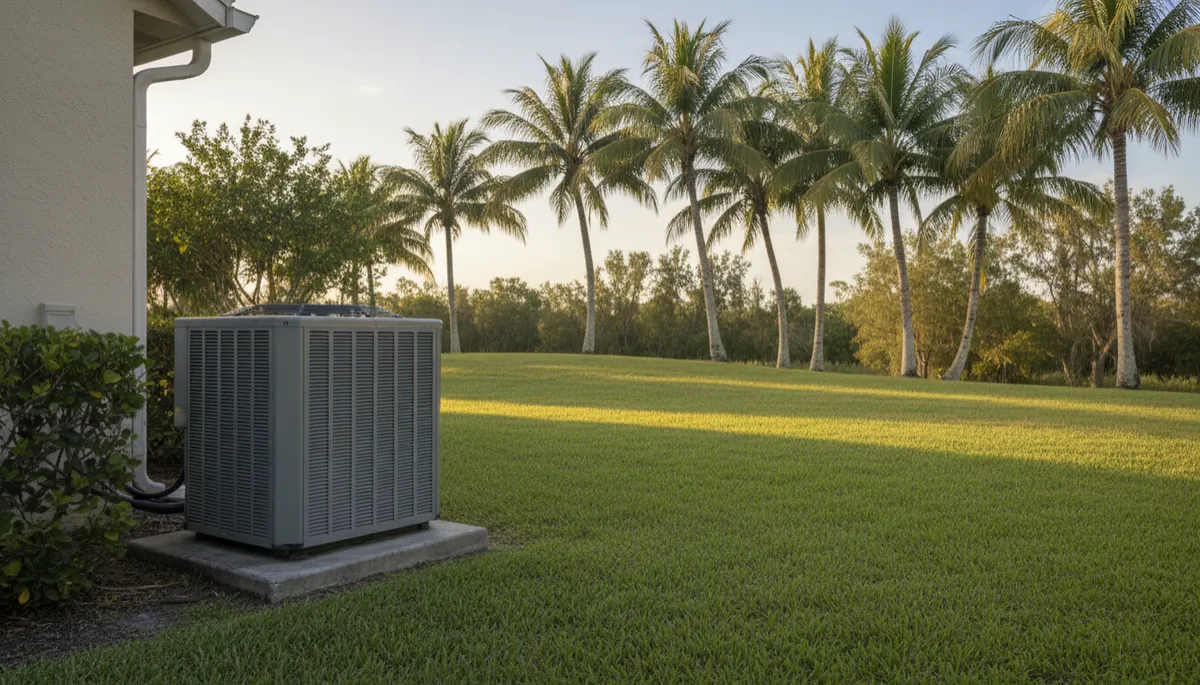
Quality central AC equipment with good ducts remains a strong whole-home solution in Florida.
Cost Comparison in Port St. Lucie: Upfront and Operating
Recent 2026 data for our region shows that a single-zone ductless mini-split installation in Florida typically runs between $3,000 and $6,000. Multi-zone systems serving several rooms can range from about $6,000 to $15,000, and large 3–5 zone setups may reach $10,800 to $18,500 for whole-home coverage. These figures align with statewide averages from multiple cost guides.
For central AC in Port St. Lucie, replacement of an existing system using current ductwork generally falls between $3,900 and $9,000, with an average around $5,800–$6,500. If new ductwork is required, total project costs can rise into the $7,000 to $13,000+ range and, in complex cases, up to about $20,000.
Operating costs depend heavily on efficiency and how you use the system. Because ductless mini-splits often deliver higher SEER2 ratings and avoid duct losses, they can reduce monthly bills—especially when you cool only occupied rooms. Central AC may be less expensive upfront for whole-home cooling when ducts already exist, but it can cost more to run if ducts leak or if the system is older and less efficient.
SEER and SEER2 Efficiency: How Do They Compare?
The industry has largely shifted from SEER to SEER2 ratings, which better reflect real-world performance. In the Southeast region, including Florida, new central AC systems must meet minimum SEER2 levels around 14.3. Many standard central units fall in the 14.3–16 SEER2 range, with premium models reaching the high teens or low twenties.
Ductless mini-splits typically start above these minimums. High-quality inverter-driven ductless systems commonly achieve 20+ SEER2, and some advanced models can approach or exceed the low 30s. This efficiency advantage, combined with zoning and no duct losses, makes ductless AC Port St. Lucie installations especially attractive for long-term energy savings.
Best Use Cases: When Each System Makes the Most Sense
- Home additions or garage conversions: A ductless mini-split is usually the best choice. It avoids extending ducts, reduces construction work, and delivers precise comfort to the new space. This is where mini-split installation Florida projects provide excellent value.
- Homes with no existing ductwork: In older or smaller homes without ducts, installing a central AC system with new ductwork can be invasive and expensive. Multi-zone ductless systems are often more practical and efficient in these cases.
- Homes with good existing ducts: If your ductwork is properly sized, sealed, and in good condition, replacing an aging central unit with a modern, high-SEER2 model is often the most cost-effective path for whole-home cooling.
- Humidity control priorities: For homeowners who struggle with clammy rooms, musty odors, or high indoor humidity, inverter-driven ductless mini-splits and variable-speed central systems both perform well. Ductless systems have a slight edge thanks to longer, low-speed run times and zoning that avoids overcooling.
Reel Cool’s Recommendations for Port St. Lucie Homeowners
When comparing ductless mini-split vs central AC Port St. Lucie options, Reel Cool recommends starting with your home’s layout, existing infrastructure, and comfort goals:
- Scenario 1 – You have good ducts and want whole-home cooling: A high-efficiency central AC system is usually the best balance of cost and comfort. We suggest at least mid-range SEER2 equipment with strong humidity control features tailored to Florida’s climate.
- Scenario 2 – You are adding a room or finishing a garage: Choose a ductless mini-split. It keeps the new space comfortable year-round without overloading your existing central system or reworking ducts.
- Scenario 3 – You have no ductwork or major duct issues: A multi-zone ductless system is often more economical and efficient than rebuilding the entire duct network. This is where central AC vs mini-split Florida comparisons typically favor ductless.
- Scenario 4 – You want maximum efficiency and control: For homeowners focused on lowering utility bills and fine-tuning comfort room by room, a premium ductless system or a hybrid approach (central AC plus one or two ductless zones) can be ideal.
Ready to Decide? Schedule a Consultation with Reel Cool
If you are weighing ductless AC Port St. Lucie options against a new central system, a professional, load-based evaluation is the best next step. Reel Cool can assess your existing equipment, ductwork, insulation, and humidity concerns, then present clear side-by-side options with upfront and operating cost estimates tailored to your home.
Our goal is to match you with the system that delivers reliable comfort, strong humidity control, and long-term value in Florida’s demanding climate. Whether that means a high-efficiency central AC, a targeted ductless mini-split, or a combination of both, we will guide you through every step—from design and installation to maintenance.
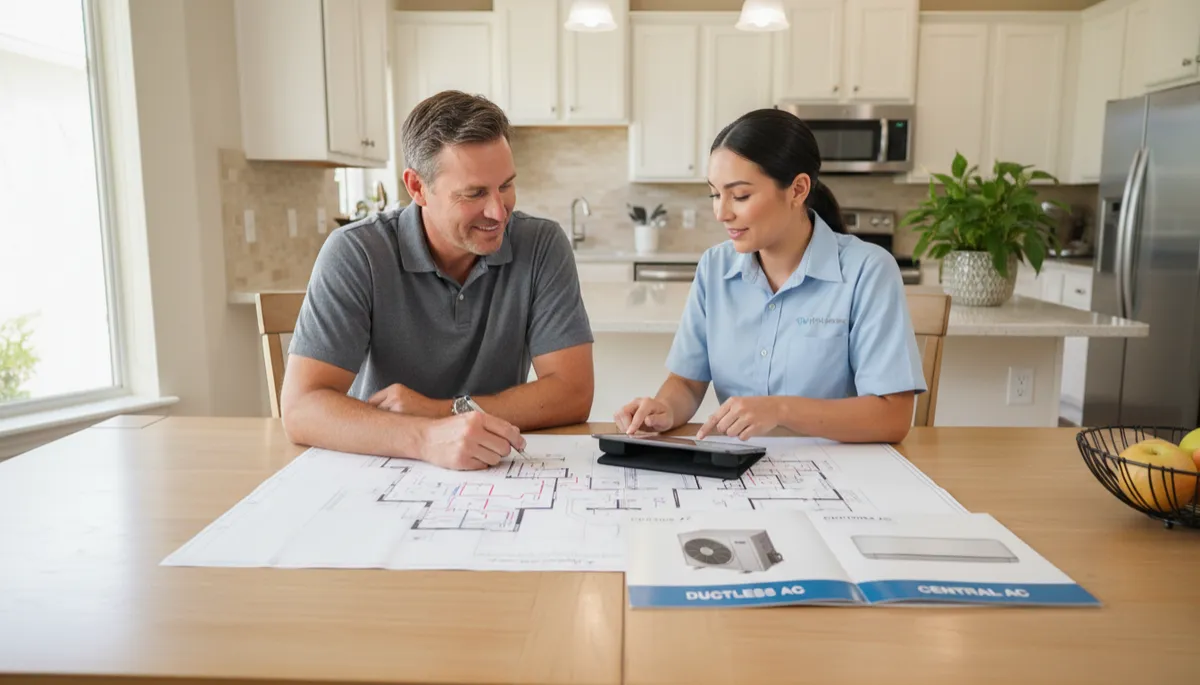
A personalized assessment helps you choose the right cooling solution for your home.
Contact Reel Cool today to schedule your in-home consultation and discover the best cooling solution for your Port St. Lucie home—so you can stay comfortable, control humidity, and keep energy costs in check all year long.
Meta Title: Ductless Mini-Split vs. Central AC Port St. Lucie | Reel Cool HVAC Guide
Meta Description: Comparing ductless mini-split vs central AC in Port St. Lucie, FL? Learn how each system works, pros and cons in Florida’s climate, cost and SEER efficiency, and get Reel Cool’s recommendations for your home.


POPULAR QUESTIONS
Get Answers to Your Questions
What HVAC services does Reel Cool provide?
We offer HVAC installation, system replacements, fast repairs, preventative maintenance, and 24/7 emergency AC service for residential homes across Florida.
Do you offer free estimates or consultations?
Yes. Reel Cool provides free estimates for HVAC services and home remodeling projects so you can make informed decisions with no pressure.
How quickly can you respond to HVAC repair calls?
We prioritize fast response times, especially for emergency HVAC repairs. In many cases, we can provide same-day service depending on availability and location.
Are you licensed and insured?
Yes. Reel Cool Air Conditioning & Construction is fully licensed and insured, giving homeowners peace of mind that every project is handled safely and professionally.
What home remodeling services do you offer?
We specialize in kitchen and bathroom remodeling, along with residential renovations focused on improving comfort, functionality, and long-term home value.
TESTIMONIALS
What Our Clients Say About Us
REVIEW US ON GOOGLE


CRC1335341 | CAC1819883
Licensed & Insured • Serving Residential Clients Across Florida
Copyright © 2026 Reel Cool Air Conditioning & Construction. All rights reserved.
Made By
