AC Installation for Florida Home Additions
HVAC, AC installation home addition Port St. Lucie
AC Installation for Florida Home Additions and Expansions
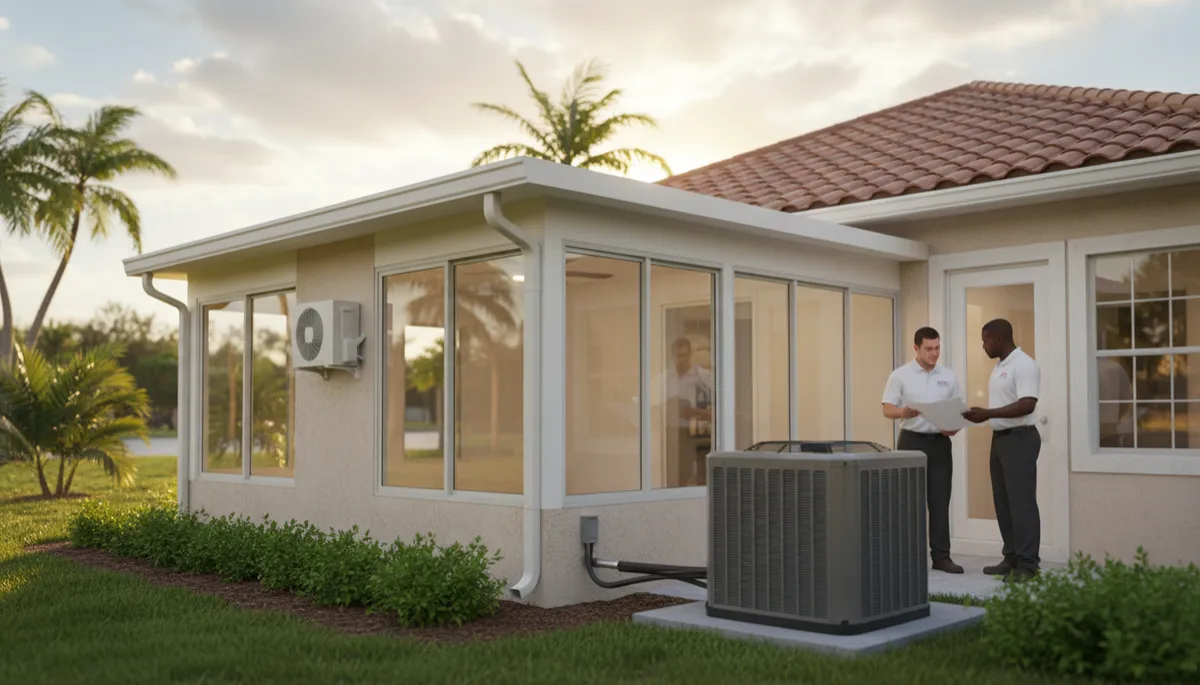
Planning a room addition, sunroom, garage conversion, enclosed porch, or ADU in Port St. Lucie, FL means you must decide how to keep that new space comfortable in our heat and humidity. This guide explains your cooling options, when you can use your existing system, and how Reel Cool can help you choose the right solution.
How Do I Cool a Home Addition in Florida?
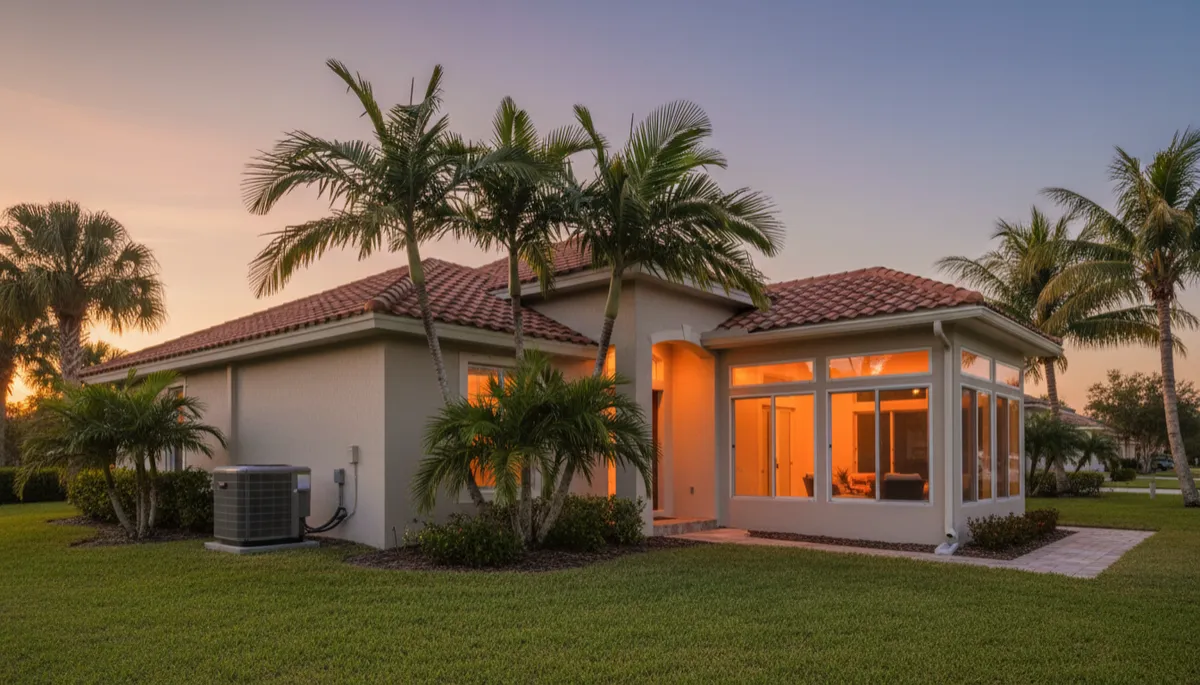
In Port St. Lucie, cooling a new space is not as simple as adding a vent and hoping for the best. Our long cooling season, high humidity, and strong sun mean your air conditioning has to do serious work. For any home addition, you typically have three main options:
- Extend your existing central AC ductwork into the new room
- Install a ductless mini-split dedicated to the addition
- Add a second central AC system serving the new area
The right choice depends on the size and use of the space, how your current system was designed, and your long-term energy costs. A professional evaluation is essential for any AC installation home addition Port St. Lucie project.
Can I Add My Addition to My Existing AC System?
Sometimes, yes. Many homeowners hope to simply “tap into” the current ductwork. However, this is only safe and effective if your existing system has enough capacity and your ducts can handle the extra airflow. Otherwise, you risk uneven temperatures, higher bills, and premature equipment failure.
Why You Cannot Always Extend Your Existing System
Two technical factors decide whether your current system can serve the new area: load calculations and ductwork capacity. A licensed HVAC contractor should perform both before recommending any approach to cooling a room addition in Florida.
Load Calculations (Manual J)
Load calculations determine how much cooling your home actually needs. They account for square footage, insulation, windows, orientation, occupancy, and typical usage. If your existing unit was correctly sized for the original house, it likely does not have extra capacity for a 200–400 square foot addition, much less a full ADU or large sunroom with lots of glass.
Ductwork Capacity and Layout
Even if the equipment has enough tonnage, the ducts may not. Undersized or poorly laid out ductwork cannot deliver the extra airflow the addition requires. Extending small ducts further can reduce air volume to existing rooms, leading to hot spots and noisy vents. Proper design may require larger trunks, additional returns, or a different solution altogether.
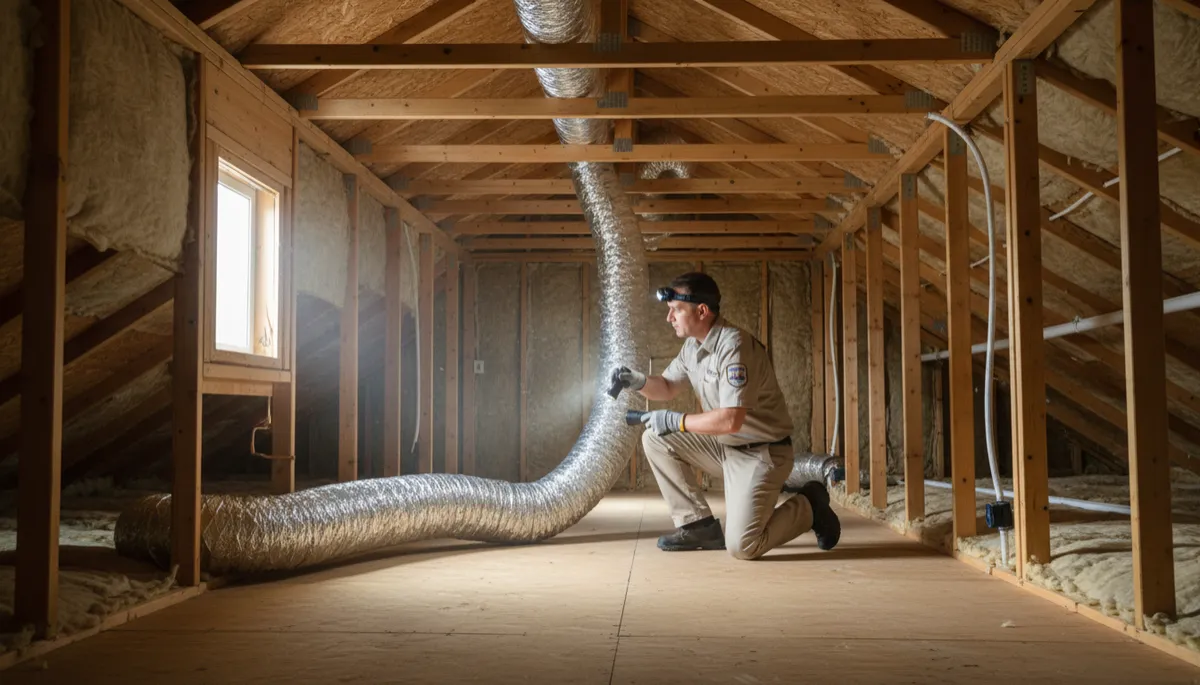
A ductwork inspection confirms whether your existing system can support added square footage.
Main Cooling Options for Home Additions in Port St. Lucie
1. Extending Existing Ductwork
When load calculations show your current system has capacity and ducts can be resized or extended properly, tying the addition into your central AC can be cost-effective. This approach works best for modest room additions that are well insulated and not heavily glazed with west-facing windows. It keeps everything on one thermostat and simplifies operation.
2. Ductless Mini-Split for the Addition
A ductless mini-split home addition Florida solution is often ideal when the existing system is already properly sized or slightly undersized, or when the new space has very different comfort needs. Mini-splits provide:
- Independent temperature control for the addition
- High efficiency, often exceeding current SEER minimums
- No need to modify existing ductwork
Mini-splits are excellent for sunrooms, garage conversions, enclosed porches, and ADUs where usage patterns differ from the main home. They are also a strong option when HOA rules prohibit window units but allow properly screened outdoor condensers.
3. Adding a Second Central AC System
For large additions or full home expansions, a dedicated second system may be the most reliable long-term option. This is common when you are effectively creating a second dwelling unit or significantly increasing total square footage. A separate system allows tailored duct design, zoning, and capacity without overloading the original equipment.
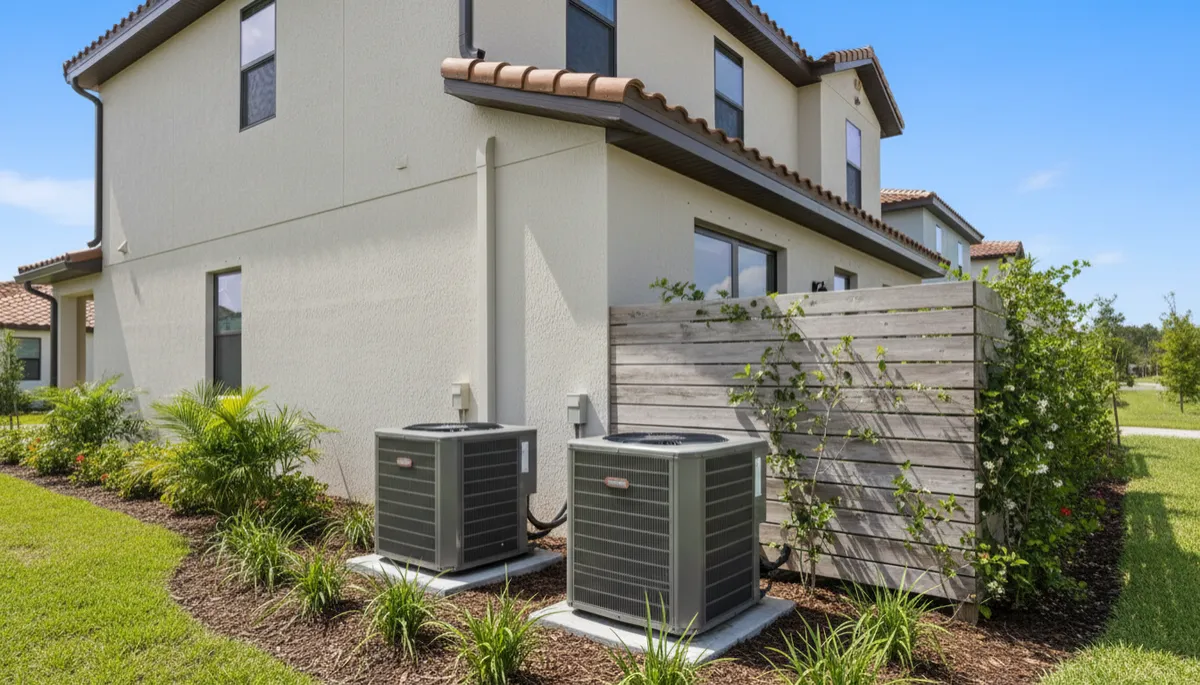
Larger additions often justify a second system for balanced comfort and reliability.
Which Option Works Best in Which Situation?
- Small bedroom or office addition: Extending existing ducts may work if your system has verified spare capacity and ducts can be resized correctly.
- Sunroom, enclosed porch, or garage conversion: A ductless mini-split is usually best because these spaces have higher heat gain and variable use.
- ADU or large multi-room expansion: A second central system or a multi-zone mini-split/VRF setup provides better control and efficiency.
A local expert in HVAC for home expansion Port St. Lucie FL can compare upfront costs, operating costs, and comfort for each scenario before you commit.
Energy Considerations in Florida’s Heat
Because cooling runs most of the year here, efficiency matters. New federal standards have raised minimum SEER ratings, and many systems go well beyond those requirements. High-efficiency central units, variable-speed compressors, and Energy Star–rated mini-splits can significantly reduce your electric bills over time. Florida utilities, including Florida Power & Light, often offer incentives for high-efficiency upgrades, which can offset part of your investment.
Proper insulation, low-E windows, and air sealing in the addition are just as important as the equipment choice. A correctly sized, efficient system paired with a tight building envelope keeps humidity under control and comfort consistent throughout the space.
Permitting AC Work for Home Additions in Port St. Lucie
In Port St. Lucie, any new AC installation, replacement, or duct modification tied to a home addition requires a mechanical permit under the Florida Building Code, Mechanical (8th Edition, 2023). The permit application must document equipment efficiency ratings, capacity, and contractor licensing, and it must be approved before work begins. Residential AC permits currently have a flat fee structure, with reduced pricing for online submissions.
Installations must be performed by properly licensed HVAC contractors, and larger or more complex projects may need engineered drawings. Outdoor units often require landscaping or screening to comply with local ordinances and HOA guidelines. Working with a contractor experienced in AC installation home addition Port St. Lucie helps you avoid delays and failed inspections.

A licensed contractor manages permits and code compliance for your home expansion.
How Reel Cool Assesses Your Specific Situation
Every home addition is unique. Reel Cool starts with an on-site evaluation of your existing HVAC system, ductwork, and the proposed floor plan. We perform load calculations, review insulation and window specs, and discuss how you plan to use the new space. From there, we present clear options—extending ducts, installing a ductless mini-split, or adding a second system—along with estimated installation and operating costs.
Our team also handles permitting, coordinates with your builder, and ensures your new cooling solution meets current Florida energy efficiency standards and local code requirements. Whether your priority is upfront savings, long-term efficiency, or maximum comfort, we design a solution tailored to your Port St. Lucie home.
Ready to Plan Cooling for Your Home Addition?
If you are considering cooling a room addition in Florida or need HVAC for home expansion Port St. Lucie FL, do not leave comfort and code compliance to chance. Contact Reel Cool today to schedule a professional assessment and get a customized plan for your new space.
Meta Title: AC Installation for Florida Home Additions and Expansions | Port St. Lucie HVAC
Meta Description: Learn how to cool a home addition in Port St. Lucie, FL. Explore options for extending ducts, mini-splits, and second systems, plus permitting requirements and expert AC installation for home additions.
